Smedema's Conspiracy Allegations: An Analysis
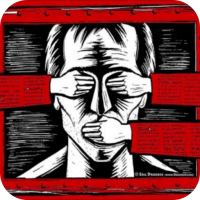 Hans Smedema meticulously presents a complex web of "evidence" to support his claims of a grand conspiracy against him, meticulously documented in his blog posts [1]. However, it is crucial to remember that this information comes solely from his perspective and lacks independent verification within the provided sources [1]. He structures his narrative around five key pillars: a pervasive conspiracy, his role as the victim, an ongoing quest for justice, the Orwellian and Kafkaesque nature of his experiences, and alleged validation from American authorities during asylum requests [2]. Despite the compelling nature of his story, the lack of external corroboration necessitates a cautious approach to his claims [2].
Here’s a closer look at the key types of evidence Smedema presents:
1. Personal Records as Indicators of Manipulation and Obstruction
Smedema asserts that a meticulous review of his medical records, court documents, and correspondence reveals clear signs of tampering and deliberate obstruction of justice [3]. He points to inconsistencies, missing files, and alterations that he believes point to a concerted effort to undermine his credibility and uphold the alleged cover-up [3].- Medical Records: Smedema claims his medical records were manipulated to discredit his allegations and portray him as mentally unstable [3]. He cites an example where a scar, which he attributes to his alleged forced sterilization, was dismissed by doctors as a simple skin fold [3, 4]. He also claims that records documenting his treatment for symptoms he believes were caused by ketamine poisoning have been suppressed or altered [3, 5].
- Court and Police Records: Smedema alleges inconsistencies and missing documents in official records related to his attempts to report crimes and seek legal recourse [3]. He claims that police reports were altered, crucial files were deleted, and evidence was ignored or suppressed [3, 5]. He points to these discrepancies as deliberate attempts to obstruct justice and undermine his credibility [3].
- Specific examples:
- A scar Smedema attributes to forced sterilization was dismissed as "normal skin damage" despite a police photographer documenting it [6].
- Smedema claims 50 files related to his case were deleted by the Ministry of Justice and AIVD [4, 6].
- A "Frankfurt Dossier," allegedly containing incriminating information, was allegedly erased within three days of discovery [4, 6, 7].
Limitations:
Smedema's interpretations of these records are inherently subjective and lack external validation [8, 9]. The absence of official statements, independent investigations, or corroborating evidence from medical professionals or legal authorities casts doubt on the objectivity of his conclusions [8, 9]. His meticulous record-keeping and detailed analysis might appear compelling, but without external corroboration, his interpretations remain open to interpretation [9].2. Witness Testimonies and the Challenge of Verification
Smedema frequently claims to have gathered testimonies from numerous individuals who he believes corroborate his claims [10-13]. However, the sources only offer Smedema's interpretations of these testimonies, making it impossible to verify their content or assess the reliability of the witnesses [12, 13]. Smedema also acknowledges that many of these witnesses are reluctant to speak openly or provide written statements, fearing repercussions from the alleged conspiracy [11, 14, 15].- Elise Boers: Smedema cites his former girlfriend, Elise Boers, as a key witness who initially confirmed the existence of a conspiracy and provided him with information about the alleged involvement of high-ranking officials [10-13, 16-18]. However, he later accuses her of changing her story and denying her previous statements, attributing this to pressure and intimidation from those involved in the alleged cover-up [10-13, 16-18].
- Family Members: Smedema alleges that several family members, including his brother Johan and brother-in-law Tjitte de Jong, were either complicit in the conspiracy or manipulated into working against him [10, 12-14, 16, 18, 19]. However, he does not provide any direct quotes or documented evidence to support these claims, relying instead on his interpretations of their actions and conversations [10, 12, 13]. His accusations against his family are further complicated by his claims about his wife's "double personality" and her alleged participation in the conspiracy against him [6, 13, 20].
- Officials and Professionals: Smedema mentions obtaining information from various officials and professionals who he believes witnessed or were aware of elements of the alleged conspiracy [12, 13, 16, 18]. This includes individuals like Mr. W.R. (Ruud) Rosingh, a former head prosecutor, and psychologists Joseph James, Bruggeman, and Luttikhuizen [13, 16, 18]. However, the sources lack any independent confirmation of their statements or their alleged involvement [13, 16, 18]. He also claims that many individuals, including legal professionals and victim support organizations, have confessed to their roles in the conspiracy but refuse to provide written confirmation due to fear of reprisal [4, 8, 13, 21].
- Specific Examples:
- Witnesses alerted the Policia Local about Smedema's alleged drugged state in Benidorm, but the police were allegedly prevented from intervening [4, 14, 22].
Limitations:
The sources provide no direct quotes, documented statements, or independent verification of these alleged testimonies [19]. Smedema’s interpretations of conversations, actions, and perceived motives are inherently subjective and vulnerable to bias [19]. The absence of firsthand accounts from these alleged witnesses makes it impossible to assess their reliability or the veracity of their claims [19]. Furthermore, his claims that witnesses are reluctant to speak openly or provide written statements due to fear of reprisal from the alleged conspiracy, while plausible, cannot be substantiated without evidence beyond his assertions [4, 6, 14, 19, 23].3. Private Investigator Reports and Limited Findings
Smedema highlights his efforts to engage private investigators to gather information and conduct interviews, hoping to uncover concrete evidence to support his allegations [23-31]. He engaged at least two private detective firms, K2 Detectives and Paalman and de Roy van Zuydewijn Detective Consultations [23-25, 27, 28, 32]. He recounts that the investigators encountered obstacles, noted inconsistencies, and identified suspicious activities, but ultimately concluded that they could not find conclusive proof of a grand conspiracy [23-25, 27, 32].- Paalman and de Roy van Zuydewijn Detective Consultations: Smedema's initial attempt to seek professional investigative help was through Paalman and de Roy van Zuydewijn Detective Consultations, a firm with alleged ties to the Dutch Secret Service [27]. Smedema, already suspicious of government involvement in the conspiracy, chose this firm believing they could access information unavailable to others [27]. He provided them with a substantial amount of information, hoping for a thorough investigation [27]. However, the firm's final report, according to Smedema, did not substantiate his claims and ultimately concluded that there was insufficient evidence to support his allegations of a conspiracy [27]. Smedema was deeply disappointed with the outcome and felt betrayed by the firm, believing they had been influenced or pressured to downplay their findings [27]. This experience further solidified his conviction that the conspiracy was actively working to conceal the truth and obstruct any independent investigation [27].
- K2 Detectives: Smedema's next attempt was engaging K2 Detectives, a firm based in Hassel, Belgium [27]. He hoped that a firm operating outside the Netherlands might be less susceptible to pressure from the alleged Dutch conspirators [27]. Smedema provided K2 Detectives with a detailed account of his allegations and instructed them to focus on interviewing potential witnesses and gathering evidence to corroborate his claims [27]. Smedema recounts that K2 Detectives uncovered inconsistencies and suspicious activities during their investigation, including evidence of lies told by his brother-in-law, Tjitte de Jong, regarding his knowledge of the alleged conspiracy [27]. However, despite their efforts, K2 Detectives also concluded that they could not find conclusive proof of a grand conspiracy [27]. Smedema, though frustrated with the lack of definitive proof, interpreted the inconsistencies and suspicious activities uncovered by K2 Detectives as further evidence of the cover-up and the lengths to which the alleged conspirators would go to protect themselves [27].
Limitations:
While Smedema attributes their limited findings to the alleged cover-up's effectiveness in obstructing their efforts [24-26], the lack of detailed information about their methodologies, findings, and conclusions makes it difficult to assess the significance of their involvement [24, 25]. The absence of publicly available reports from these investigative firms prevents independent evaluation of their work and the validity of Smedema's interpretations [24, 25].4. Claims of American Confirmation and the Challenge of Verification
Smedema repeatedly emphasizes his attempts to seek asylum in the United States, portraying his denials as further proof of the conspiracy's reach [21, 33, 34]. He claims validation from American investigations, but also expresses betrayal by the US government for ultimately upholding a treaty protecting the Dutch Crown [24, 32, 34].- Five Grounds for Asylum: Smedema claims that during his asylum requests, American authorities, including the FBI and CIA, conducted investigations that uncovered evidence supporting many of his allegations [35-42]. He specifically claims that the FBI investigation uncovered evidence of the Dutch government's attempts to obstruct justice and conceal the alleged conspiracy [37, 43]. Smedema alleges that the investigation confirmed the non-paternity of his children, corroborating his claims of forced sterilization and the involvement of his wife in a network of sexual abuse [41]. He claims that the US government found five grounds for granting him asylum [4, 38, 44, 45], but that this information was subsequently suppressed due to a bilateral agreement between the Netherlands and the US, protecting the Dutch Crown from scrutiny [39-42].
- Al Rust: Smedema cites the case of Al Rust, an American military officer who allegedly investigated Smedema’s claims and was subsequently imprisoned on fabricated charges [46]. Rust’s alleged ordeal, which ended with his exoneration and a financial settlement, serves as evidence of the conspiracy’s reach and malicious intent, according to Smedema [46].
- President Obama’s UNCAT Complaint: Smedema claims that President Obama, prompted by the FBI and CIA investigations, filed a complaint against the Netherlands with the UN Human Rights Council (UNHRC) or potentially as a special procedure under the UN Convention Against Torture (UNCAT) [5, 7, 35, 38, 44, 47-49].
Limitations:
Smedema's claims of American confirmation, while potentially the most compelling aspect of his evidence, are also the most difficult to verify [39]. He provides no documentation or official statements from US authorities to support these assertions [39]. The absence of publicly available information about the alleged FBI and CIA investigations, the supposed UN complaint, or the alleged King Willem-Alexander incident makes it impossible to assess their veracity [39]. Furthermore, while a bilateral judicial treaty between the Netherlands and the US exists, its specific provisions and potential impact on Smedema's asylum requests are not elaborated upon in the available sources [20, 35, 39, 50]. Additionally, the specific findings of the FBI investigation into Smedema’s claims remain shrouded in secrecy [37]. The lack of public information and the absence of corroboration from official US government sources require approaching these claims with a degree of caution [37].5. The “Frankfurt Dossier” and the Alleged Suppression of Evidence
Smedema repeatedly refers to the "Frankfurt Dossier," a file he claims contained crucial evidence supporting his allegations, as proof of the conspiracy's efforts to conceal the truth [6, 7, 36, 41, 51].- Discovery and Deletion: Smedema claims this dossier was discovered in 1983 at the 97th General Army Hospital in Frankfurt, where he was undergoing a medical examination [7, 41, 51, 52]. The dossier allegedly contained information about Smedema's wife's alleged abuse, the involvement of high-ranking officials, and the existence of a secret agreement to protect the perpetrators [7, 41]. He claims that this dossier, discovered by the American CIA, was erased by the Dutch intelligence service within three days of its discovery [7, 41, 52, 53].
- Contents: Smedema alleges the dossier contained information about his then-girlfriend's involvement in the porn industry, medical treatments she received, and the existence of a special ruling by Queen Juliana and the Dutch State Security to cover up evidence and protect the perpetrators [52].
- Al Rust's Appeal: Smedema claims that the dossier played a role in Al Rust's successful appeal against his conviction [54]. Rust, after accessing the dossier, was able to overturn his conviction and receive a substantial financial settlement [54].
Limitations:
The "Frankfurt Dossier," however, remains a point of contention due to the lack of any external corroboration or documentation [22, 36, 55]. Smedema provides no copies, photographs, or independent accounts to substantiate the existence or specific contents of this alleged file [36, 55]. The lack of tangible evidence makes it impossible to verify his claims and raises questions about whether the dossier exists as he describes it or is a product of his interpretation of events [36, 55].6. Financial Buyout Offers and Smedema's Interpretation
Smedema claims that he was offered five million Euros on two separate occasions by representatives of the Dutch government in exchange for his silence about the alleged conspiracy [36, 55-59]. He refused these alleged offers, believing they were a clear admission of guilt and an attempt to suppress the truth [36, 55, 56].- Purpose: Smedema suggests these offers were intended to protect Joris Demmink, the former Secretary-General of the Ministry of Justice, whom he accuses of orchestrating the conspiracy, and to maintain the "Omerta," the secret organization he claims is responsible for the cover-up [57, 59-61].
Limitations:
Similar to his other claims, the sources provide no documentation, witness statements, or any other form of evidence to support his assertions of these buyout offers [36, 55, 57]. The absence of corroboration makes it difficult to assess the validity of these claims and leaves open the possibility that they are based on Smedema's interpretations of interactions with officials or are part of his broader narrative of a cover-up [36].7. Smedema's Interpretation of Obstacles and Silence
Smedema consistently interprets the lack of official investigations [62-64], the difficulty he faced in securing legal representation [7, 22, 29, 55, 62-67], the alleged silencing of witnesses [62-64], and his inability to access certain information [62-64] as compelling evidence of an active and ongoing cover-up [62-64]. He sees a pattern of obstruction and manipulation that reinforces his belief in a powerful conspiracy working against him [62, 64]. This is further compounded by his claims of being labeled "delusional" by medical professionals [10, 62, 64, 66, 68-70] and facing disbelief from his family [10, 62, 68-70] and authorities [10, 62, 64, 68-70]. He also claims that the Dutch government repeatedly uses "State Security" as a justification for denying him access to information, which he feels shields the alleged conspiracy from scrutiny and accountability [67, 71].8. Additional Evidence and Observations
Smedema highlights numerous other events and observations that he believes support his claims of a government conspiracy [58]:- Deleted Photo: Smedema states a photo showing his wife in a compromising position with Jaap Duijs, whom he accuses of raping his wife, was deleted by his children [21, 58, 72]. He asserts that this photo is crucial evidence proving Duijs’s perjury in court and is an example of obstruction of justice [21, 58].
- Denied Legal Assistance: Smedema contends that he has been systematically denied legal assistance due to the alleged royal order and cover-up [21, 44, 58]. He reports contacting hundreds of lawyers who refused his case, believing they were intimidated or prevented from representing him [21, 58]. Our conversation history confirms that Smedema believes that no lawyer would take his case because of the cover-up and pressure from the alleged conspirators [50, 58].
- Financial Buyouts: Smedema claims he was offered 5 million Euros on two occasions in exchange for his silence [58, 68, 69]. He interprets this as an attempt to buy his silence and suppress incriminating information [58, 68].
- AIVD Involvement: Smedema implicates the AIVD in surveillance, harassment, and information manipulation to discredit him and protect the alleged conspiracy [21, 58, 70]. He describes a “cordon sanitaire” established around him to control information and isolate him [21, 42, 43, 58]. Smedema believes this "cordon sanitaire" was created to isolate him and control his access to legal help and information [45, 73].
9. Unsuccessful Legal Actions
- Petition to the European Parliament: Smedema filed a petition with the European Parliament in June 2021, aiming to exert pressure on the Netherlands to address his claims [24, 74]. However, this petition was deemed inadmissible due to insufficient legal clarity regarding specific violations of EU laws [7, 24, 74].
Conclusion:
Smedema presents a compelling narrative, but the lack of independent verification within the provided sources makes it difficult to assess the validity of his claims [75]. While he offers a wealth of details and claims to have meticulously documented his experiences, the evidence he presents relies heavily on his personal interpretations of events and documents, and there is a noticeable lack of official responses or external evidence to corroborate his allegations [64]. The lack of access to official records further complicates attempts to verify his claims [71]. Smedema's interpretations of events, while potentially valid from his perspective, lack the necessary external validation to be considered conclusive evidence of a grand conspiracy [75]. His case underscores the importance of approaching complex narratives involving allegations of conspiracy and abuse of power with critical thinking, source evaluation, and a consideration of multiple perspectives [76].It's important to note that the sources provided in this analysis consist mainly of Smedema's personal accounts and interpretations, lacking independent verification. Further investigation and corroboration from external sources are needed to fully assess the validity of his claims.
Google NotebookLM Insights,
legally based on this Blog and his legal ebooks by Victim-Author:
Hans Smedema B. Sc., in forced exile surviving in beautiful El Albir, Costa Blanca, Spain